CellOS
CellCo combines computational simulation, generative AI, and medicinal chemistry to engineer glycan-enabled therapeutics with unprecedented precision — turning complex molecular structures into programmable medicines.
Glyco-MD
Massively parallel molecular dynamics and free-energy prediction powered by custom force fields and automated cloud pipelines.
Synthetic Data
Order-of-magnitude expansion for scarce-data domains to train robust models.
Generative Engine
Training and fine-tuning models for glycans, RNA and complex biomolecular ensembles.
Glyco-LLMs
Foundation embeddings for oligosaccharides to assist glyco-therapeutic design.
Watch CellOS in action
The sugar code
Every cell is coated in a dense layer of sugar structures — glycans. They control immune recognition, cell signaling, and pathogen entry, yet remain mostly unknown — and almost entirely unexploited.


Three layers, one system
Every glycan-targeted therapeutic is built from three concentric components — each computationally optimized.
Sugar Code × RNA
Every tissue has its own code. We computationally engineer glycan ligands as molecular addresses — directing RNA therapeutics to specific cells with unprecedented precision.

CellFlow
CellFlow assembles complex glycan libraries with enzymatic precision at synthetic speed — accessing molecular space that was never programmable before.
Cells that defend us
Each cell type plays a unique role in the immune response. Understanding them is the key to engineering targeted delivery.
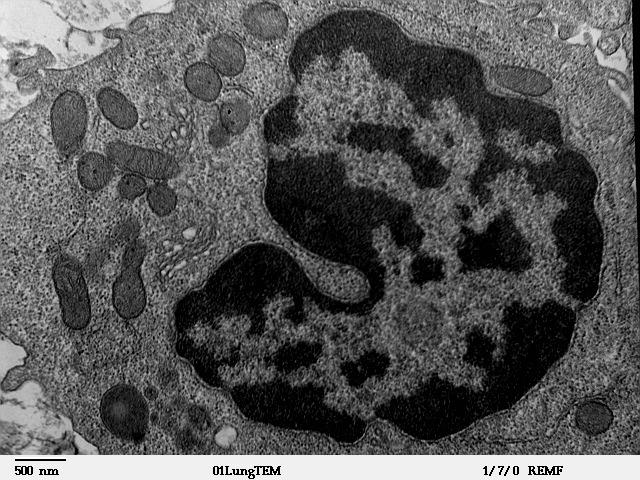
Macrophage
First responder. Engulfs pathogens and debris.
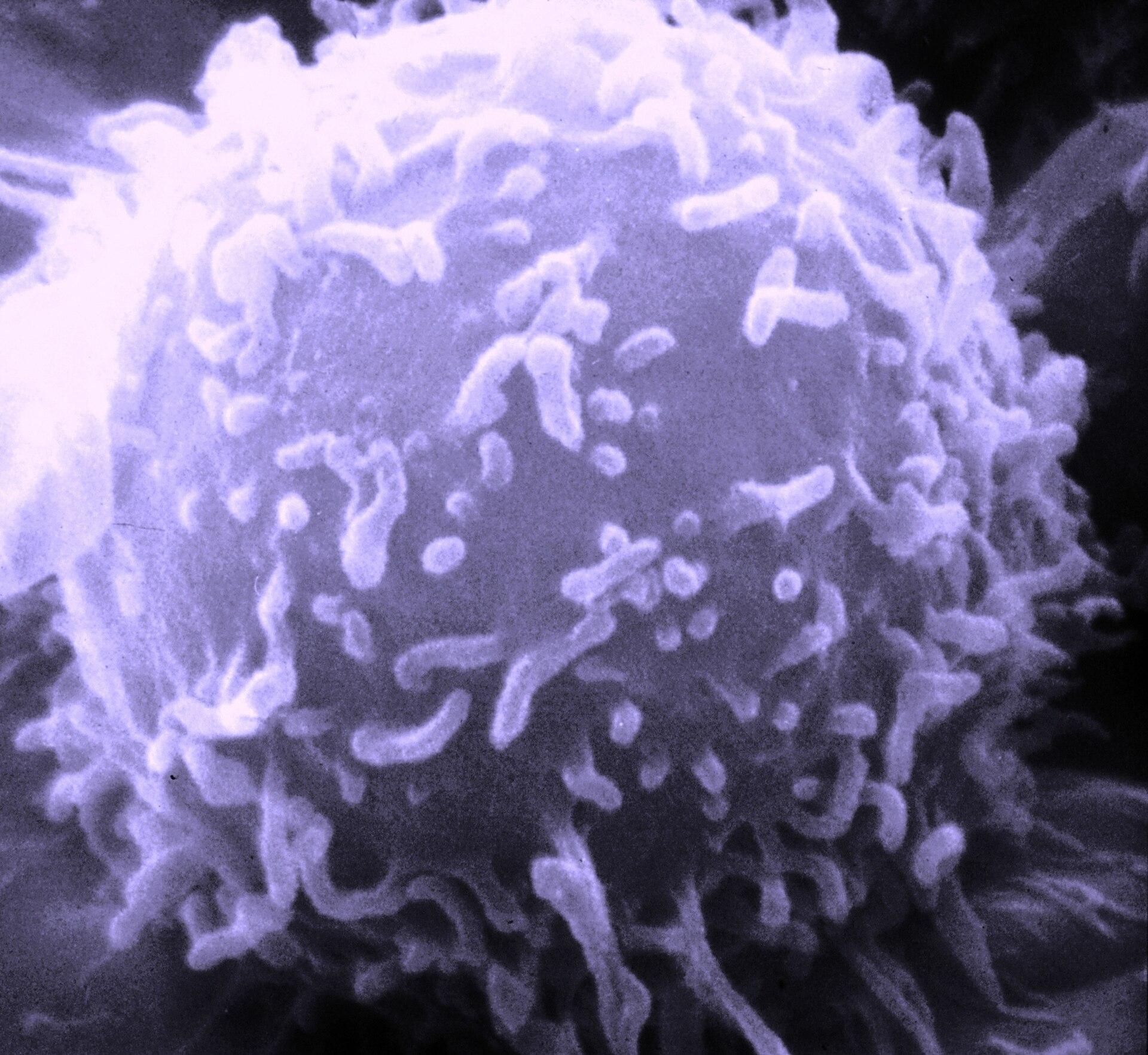
T Cell
Adaptive killer. Targets infected cells with precision.
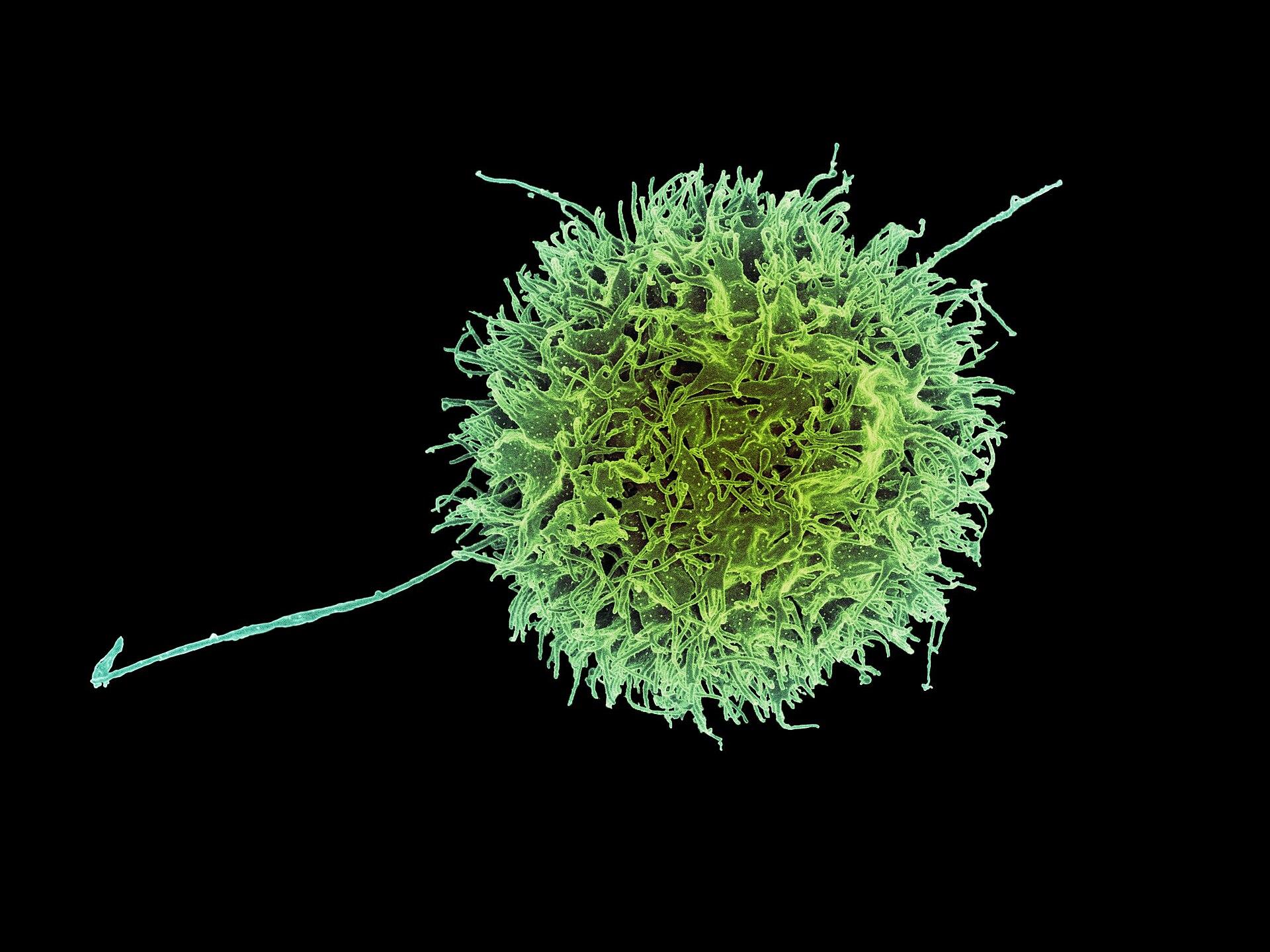
Natural Killer Cell
Innate assassin. Destroys without prior activation.
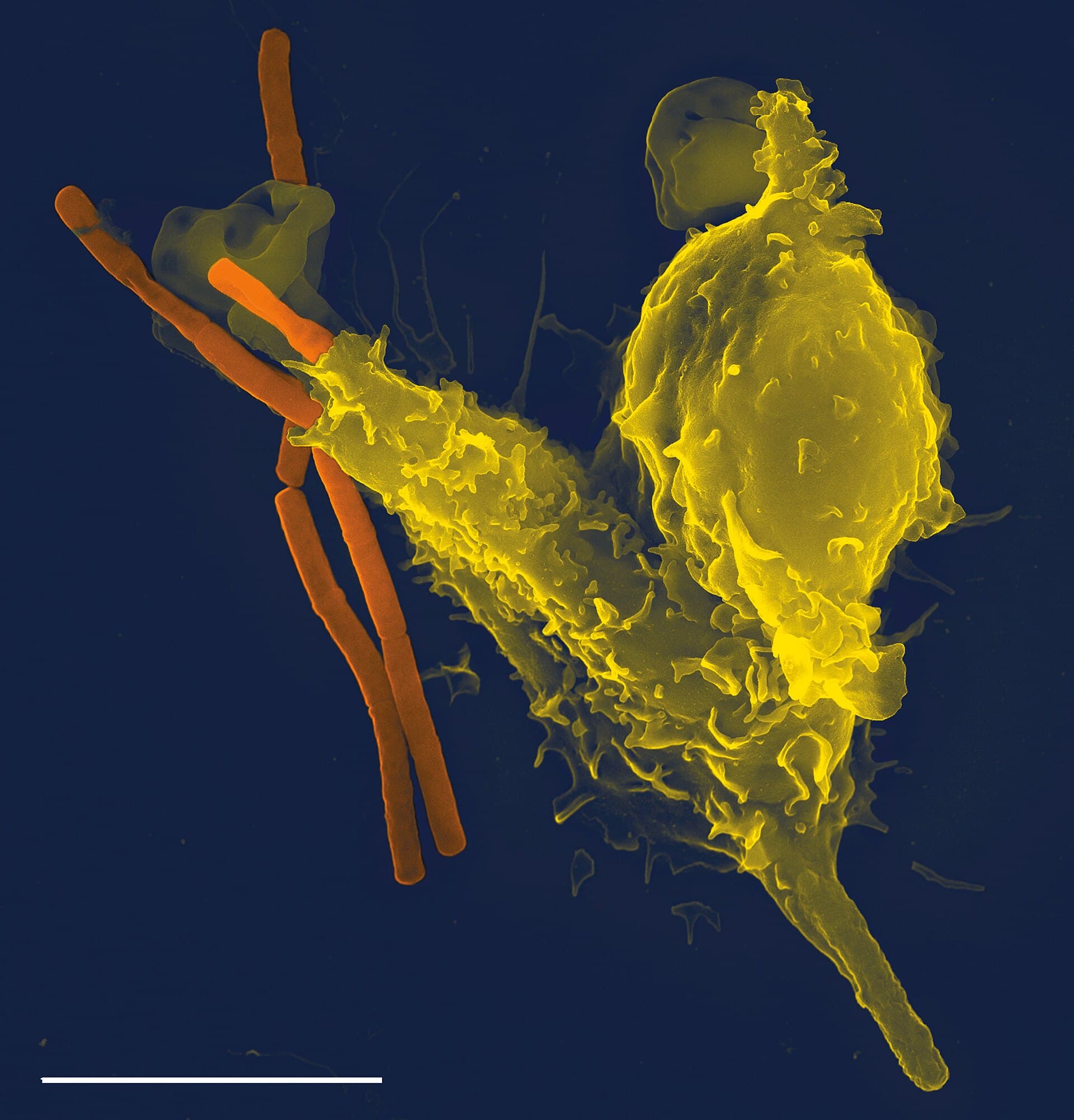
Neutrophil
Rapid deployer. First to arrive at infection sites.
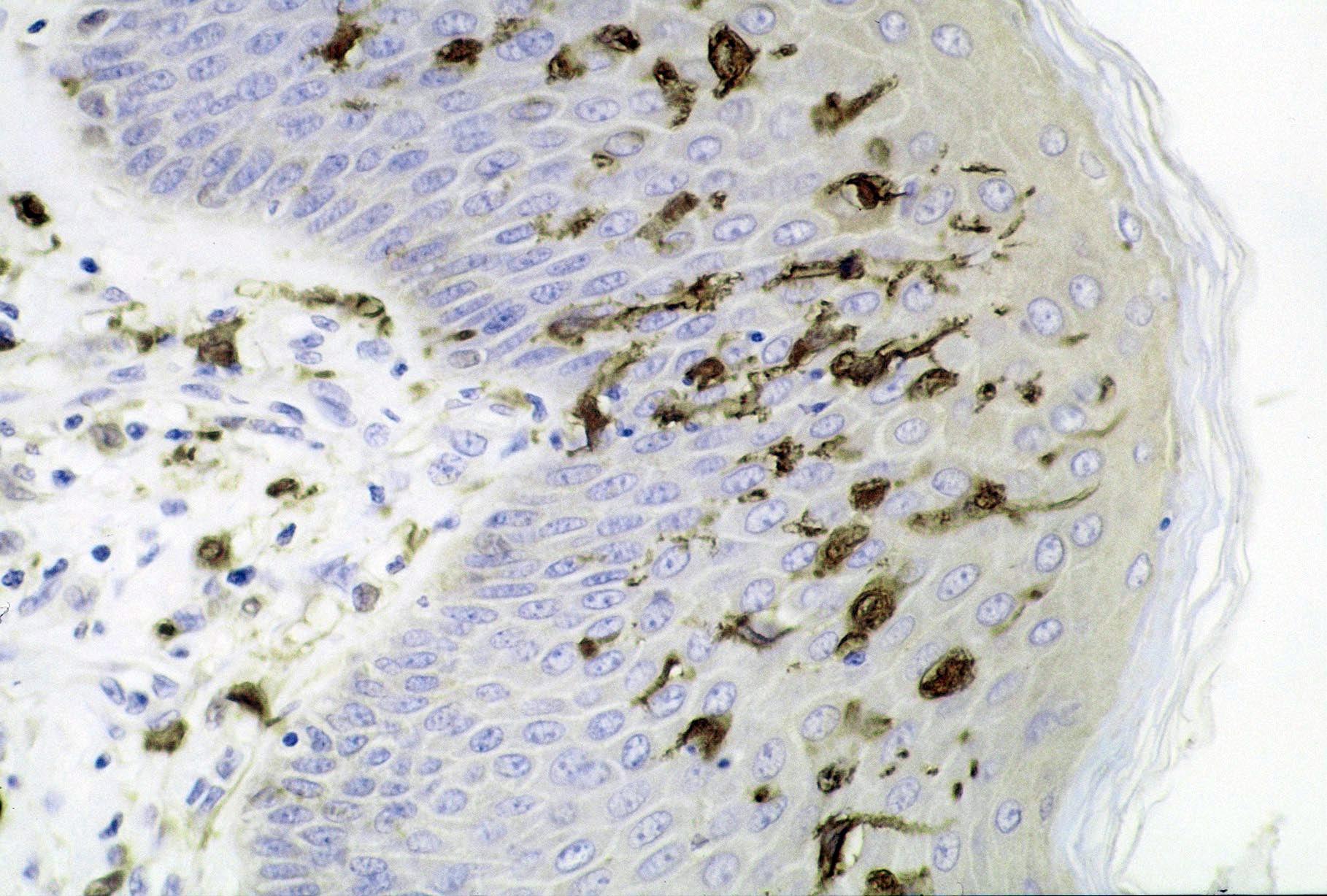
Dendritic Cell
Master presenter. Bridges innate and adaptive immunity.
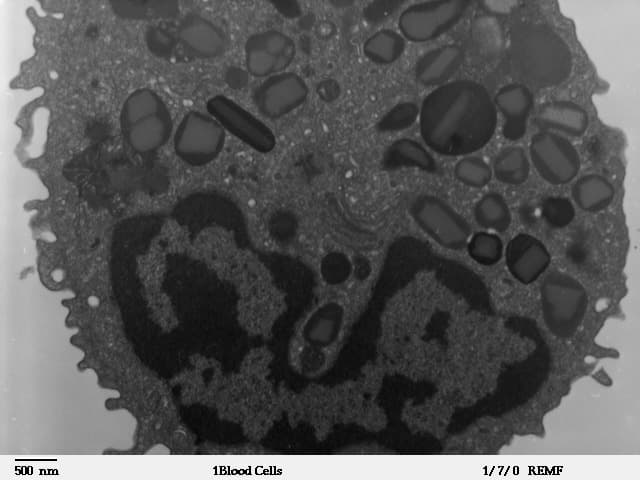

Eosinophil
Parasite hunter. Releases toxic granules on contact.
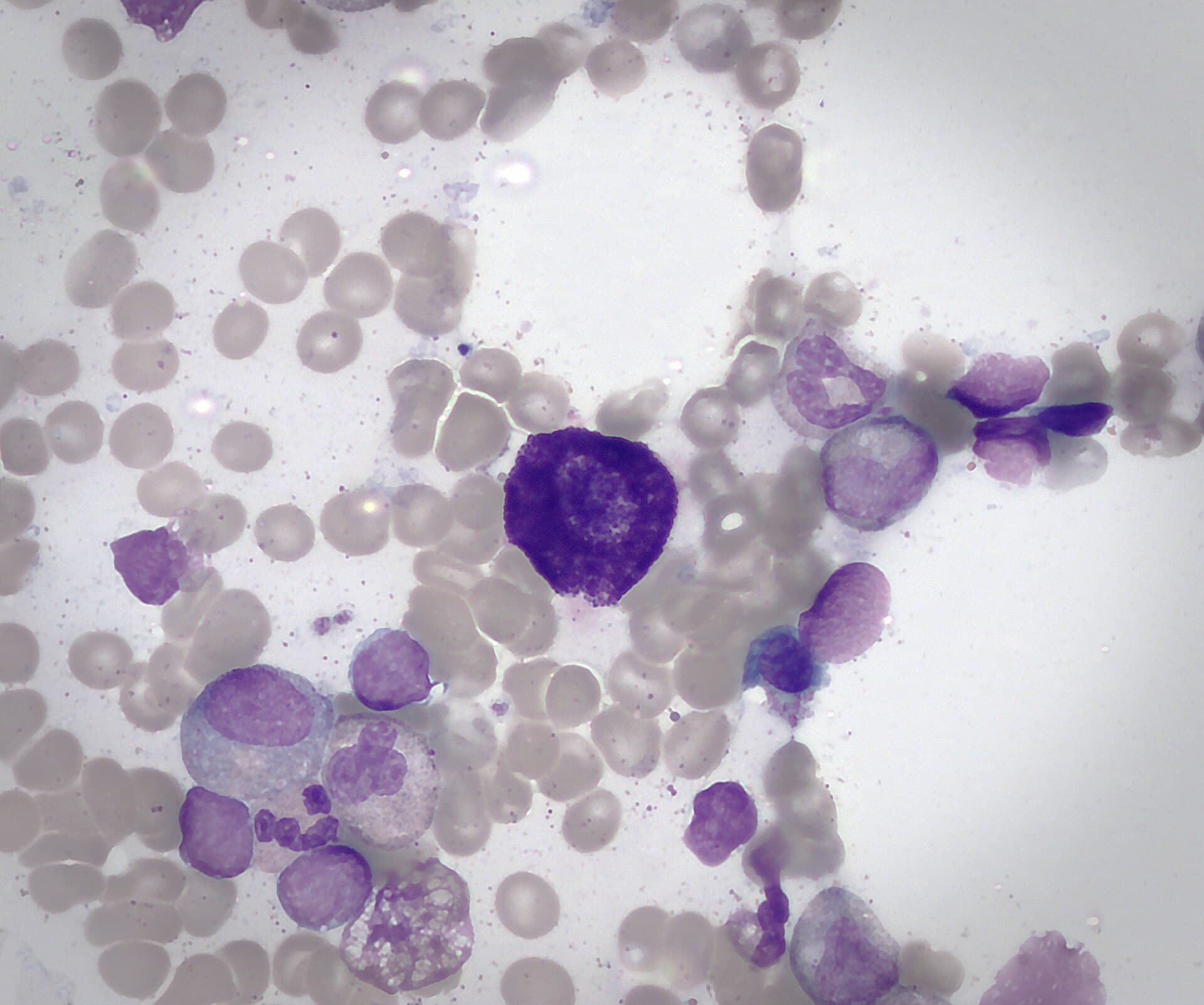
Mast Cell
Sentinel. Triggers inflammation and allergic response.
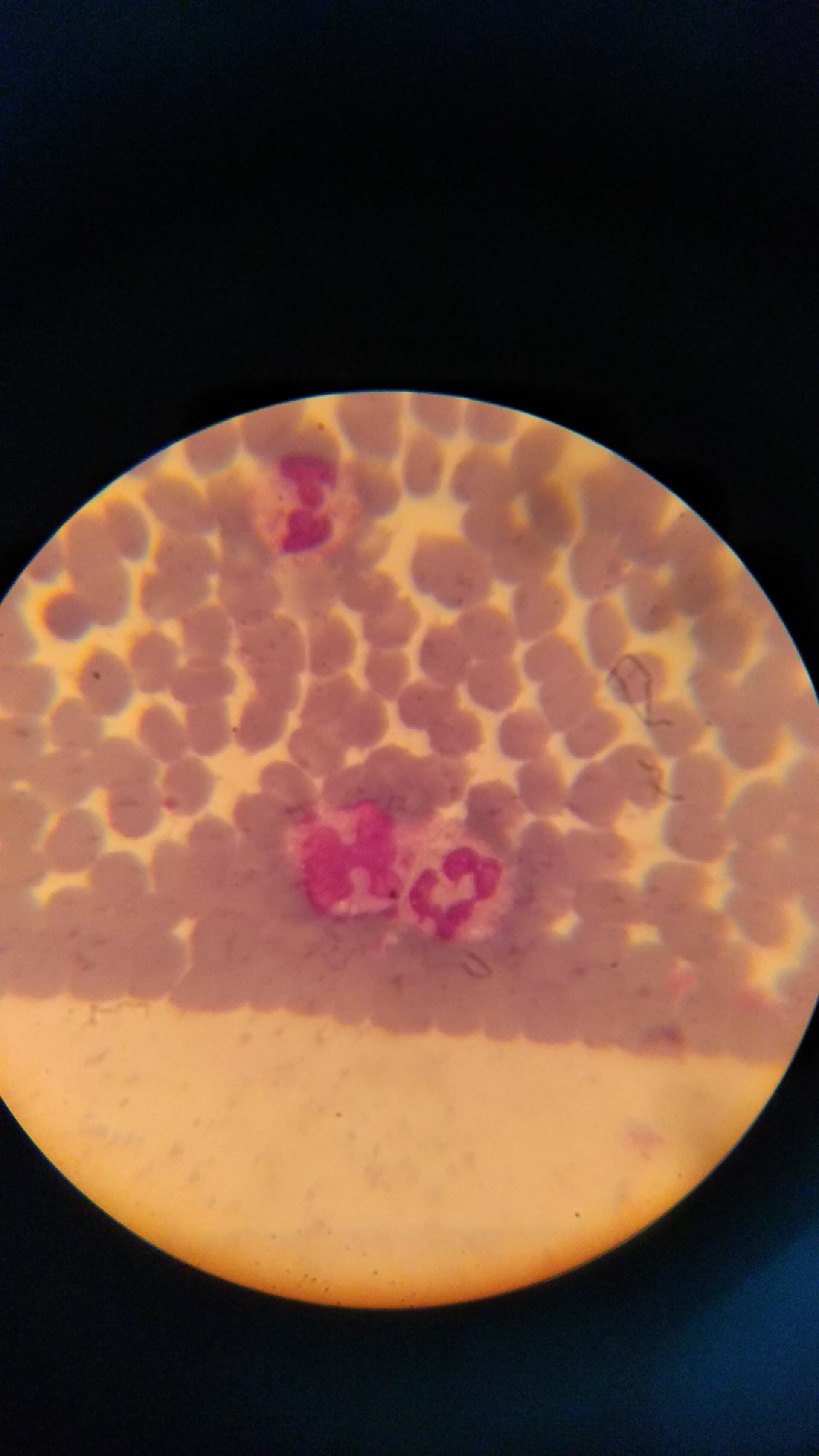
Monocyte
Circulating precursor. Differentiates into macrophages.
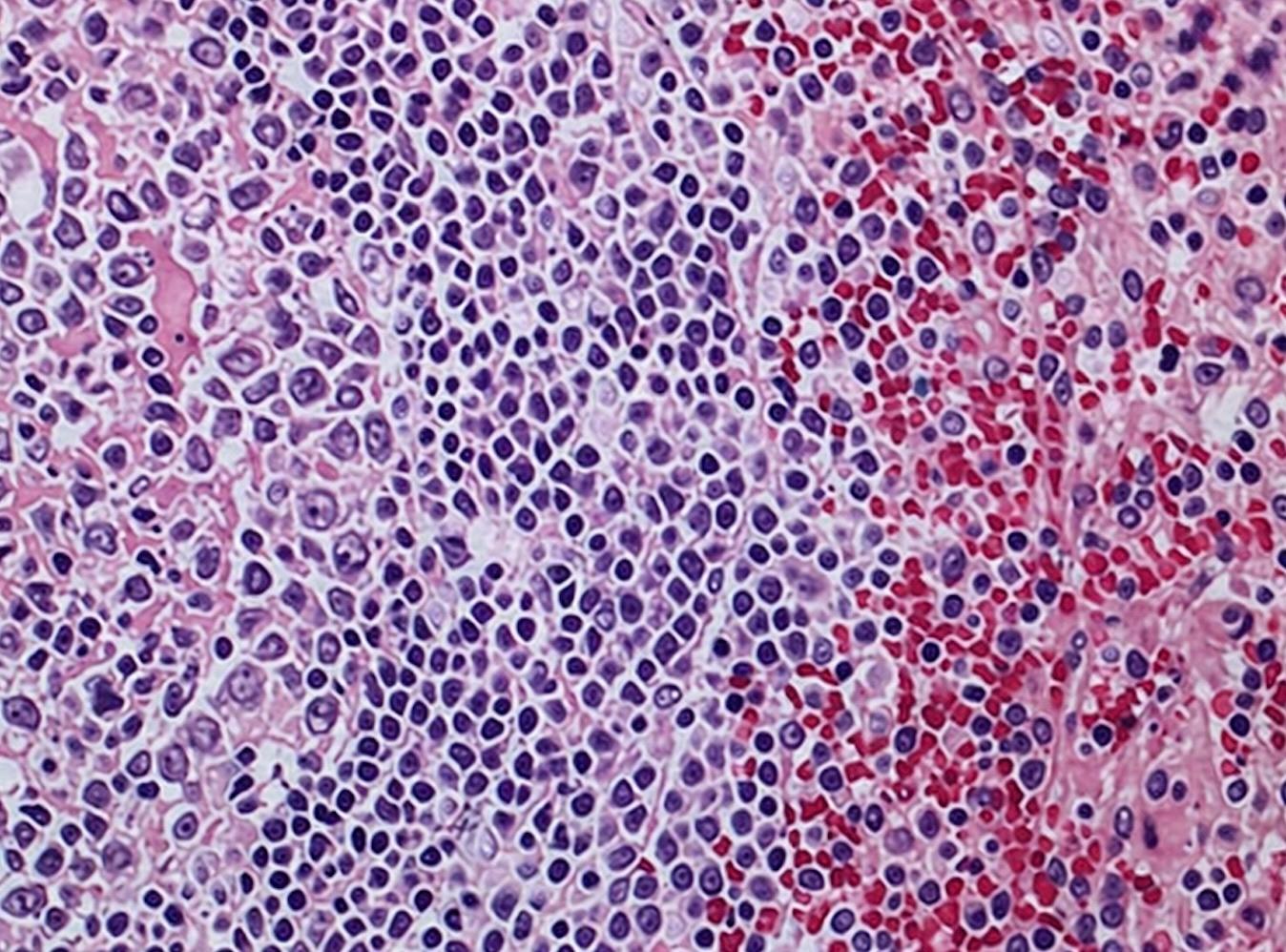
B Cell
Recognize threats and make antibodies.